Thursday, 1 July 2010

Eco Building

Eco Materials

Cogebloc
Yes, something from the idea of Lego, the Cogebloc is an auto-insulated pumice stone building block which negates the need for a cavity wall in a building and home construction.


Matisse
Is a recycled waste material insulation, it is a cost effective product from Belgium and is suitable as an alternative to fibreglass insulation.


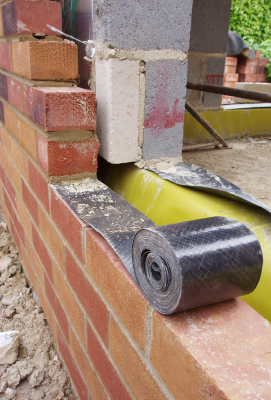
Eco-Membrane
Made in the UK, a damp proof membrane which is 100% recycled material.


London Building Company

Tuesday, 1 June 2010

Interior Shutters


Shutters In Any Colour

Interior Shutters no longer need to be created in subtle tones, interior shutter companies are offering a colour matching service on their shutters to any specific pantone colour, giving endless opportunities for brightening up homes.
We recommend plantation-shutters.co.uk they have 51 standard paints and stains and can be made to fit any window shape.

Mayfair Property Services

Saturday, 15 May 2010

Oil Radiators


Oil Filled Radiators For Electric Applications

This radiator from Myson is one of many. Double panel oil-filled radiators which can be used as one-off heaters for a specific room or to heat the whole house, the radiators also come with child proof electronic thermostat on each radiator.

These radiators are excellent for one bed-room flats and studios, in some cases the radiators have been proven to cost less then storage heaters.

Oil-Filled Radiators have been tried and tested by some of our clients and have been reported that there monthly cost was about £80 on low-med thermostat 24/7 to heat a 2 bed end terrace (inc hot water and cooking).

Something to think about next time you want to install your heating radiators, please research the market before deciding on a company.

London Plumbers

Saturday, 1 May 2010

Pipe Leak Detection

Leak Detection Device

Water pipe leaks can be devastating and sometimes taking up to three months to dry out. The innovative Pipe Guard protects against water damage which is caused by leaking pipes which are undetected.
Pipe Guard automatically detects and shuts-off the water supply when an abnormal flow is detected.

Retailing for around £60, it's compact, easy to fit and reliable and the best thing about it, the device can be fitted on a DIY basis. While it won’t stop the cause of the leak, which will still need to be fixed by a plumber, it will significantly limit the resultant damage.

There is a secondary but significant benefit for customers with a water meter too as tests reveal Pipe Guard unique flexi-valve system could save up to 7% on water bills so the device could quickly pay for itself.

Now that's what we call Mayfair Plumbing!

London Plumber

Thursday, 1 April 2010

Summer Garden

Get Your Garden Ready For Summer

Don't wait for the hot summer weather to get your garden ready early for summer.

Don't wait for the summer to come before you think about getting your garden in order, enjoy every minute of sun int the garden this spring and summer by preparing your garden early.

Spruce up your garden furniture
Now spring in on the doorstep its time to tidy up the garden and get the patio ready for those warm summer evenings of barbecues or relaxing drinks.
Get your garden benches and tables in tiptop condition by using Wet Grab to mend any loose or broken furniture, making them safe and durable for the summer.

Put up a trellis
Attach a trellis to a wall or the side of your home, cultivating creeping plants like clematis or an evergreen plant such as ivy will give you a great look for summer and will ensure you have some greenery around your garden even after summer is over.

Smarten up the patio
Spring and summer is the perfect time to relax with friends over drinks on the patio, so secure you decking and fences in no time by using Wet Grab.

Wet Grab from Evo-Stik is the only adhesive that has been designed for ultimate sticking in damp and wet conditions, so the winter and early spring weather needn't stop you getting ready for the warmer seasons this year.
Completely removing the need for a hammer or drill.


Have a go at new garden projects and make your garden something to be proud of this summer.

Tuesday, 2 March 2010

Finding The Best Local Tradesmen

From electricians to builders, plumbers to plasterers, the phone books are full of local "experts".
But we know that some of these plumbers, tilers, builders and other contractors might be cowboy experts, so here is what you know for choosing the best local tradesmen.

1) Always ask for personal recommendations from friends, colleagues and family.

2) Get three written quotes, not estimates even if it is for a minor building job and always ask for a recent job reference from satisfied clients. A reputable builder will never mind offering a positive referral.

3) If your job involves specialist work such as building or electrical installation, only employ contractors who are current valid members of an appropriate and recognised trade association.

4) Be very wary of companies offering two prices, a lower one for cash and the other slightly higher.

5) Never be tempted by unsolicited doorknockers, good tradesmen will be too busy to scout for business.

6) Get a project manager if you cant stay on top of your work.

Local Tradesmen

Monday, 1 March 2010

Gardening Jobs


Gardening Jobs For March

It's been a tough winter for the UK garden but finally March is upon us and spring is round the corner, so kick start your garden into action this Spring with our 10 gardening jobs. But remember March can be tricky, there's still some bite in the weather and new fruits and flowers are bursting through. You may not be that keen but starting work now will reap rewards later.

Spring has sprung
The days are getting longer and the spring solstice arrives at the end of the month so pay your garden the same attention as your interior such as spring cleaning.
We love John Lewis' range of outdoor furniture. After all the digging and pruning, you'll want somewhere to put your feet up and drink homemade lemonade!

Live off the land
Want to grow your own veg this year? Our gardeners recommend covering the area with clear polythene for a week before sowing, this will warm the soil up and get the seed off to a good start.
Then you should be ready to begin cultivating your choice of vegetables.

Order bedding plants
Plant bedding plants now for a bright burst of life in late Spring and early summer. Check that the plants you buy have strong green shoots and plant them into well–prepared soil, advices The Royal Horticultural Society.

Clean up your garden
From greenhouse windows to paving stones, make sure you remove all the grime built up over the winter months with a pressure hose.
This isn't just for aesthetics, greenhouse plants will also benefit from new light passing through the windows.
Don’t forget to give the watering can a good scrub out to prevent fungal disease.

Weed it out
Garden weeds such as bitter cress and one which is a smaller version of the broad–leaved willow herb are best picked out as early as possible by hand says BBC gardener Adrian Walsh.

Revive pond life

The life of your pond will have gone into hibernation over the winter months so now is the time to start bringing it back to life by removing netting coverings placed over the pond to protect it from autumn leaf fall, clean out the pond filters and replace pumps, lighting systems and water features.

Make cut backs
Most roses can be pruned mid–winter or early Spring when they are dormant or semi–dormant. Be sure to remove any dead diseased or damaged stems.

Space–saving devices
If your garden consists of more concrete than lawn then bring it to life with pot plants and window boxes. Plant things like ferns or spider plants in sleek plant pots from notonthehighstreet.com and replace individual plants throughout the seasons for a pretty garden display all year round.

Turf over old ground

Has your garden lawn suffered from winter wear and tear, we bet it has, now is the time to turf but make sure the ground is not too damp or frozen before you start. Work from planks to avoid compacting the soil. Alternatively you can prepare the ground for sowing seeds later on in the month by levelling it out with this garden rake.

Check your tools
A poor workman always blames his tools. Make sure you're not a culprit by checking that mowers and gardening machinery are in good working order and dedicate some time to garden tools maintenance.

Happy Gardening......

London Gardener

Monday, 1 February 2010

How To Get Your Planning Permission Through

Follow our guide to getting your planning permission approved.

Find a Local Architect
As local knowledge is key, so finding an architect or planning consultant who has a good knowledge of the area and a successful track record with local planning permission officers.

Be Considerate
Think neighbours first, make sure you plans dont block your neighbours light or view, a little thought at your first stage will meaan those close by are less likely to raise objections.

Homework
Gather as much information as you can you can never have too much, look at local development planes in your planning office or library and check the planning register to find out why some applications have been refused on some plots, this will also give you am idea on how the local area is developing and how will it be allowed to develop in the future.


Planning Officer
Establish good relationship with your planning officer to get an idea how your proposal will be accepted, give him or her the impression that your plans can be altered and that you will also be willing to compromise.

Go Thorough
Read all the planning forms carefully and make sure you include everything you asked for, such as plans, drawings and fees.

Get Support
Ask neighbours who are supportive of your plans to submit a letter to the planning committee saying so, this will get the planning committee to look favorably on it. You could also ask your local MP and councillors to back your plans if you want to go that extra mile.

Understand The System
The planning officer will draw up a report in front of the planning committee, which is made up of elected councillors, the meetings are open to the public but you usually wont be allowed to speak, this is when committee members can be persuaded to speak in your favour.
Remember that the committee don't have to go with the planning officers recommendation, so try to get them on your side by writing to them and inviting them to your site.

Never Give Up
If your planning application is refused, don't take it personally - although we know how angry a person might get as we have gone through this many of times but you will get a lot further if you remain calm and logical because there is always room for an appeal. If your not happy with the refusal then talk directly to your planning department and you should be allowed to submit another planning application with modified plans free of charge.

Mayfair Property Services

Tuesday, 5 January 2010

Join Us

Join us on Facebook

How about becoming our fan on our facebook page.

Monday, 4 January 2010

How to Buy a Property


How to buy your first home
Buying your first home is one of the biggest decisions that you will ever make in life, as it is important to take this decision seriously and know that it is the right choice at the time. You must also know that you have to prepare yourself in every aspect in order to make your first home a blessing and not a negative experience.
Here are the basic steps that you should know when buying a new home ( property ).

1) First thing you should do when buying your first property by determining if you are ready to buy a home or not, as home ownership is a lot more expensive than renting as you are responsible for paying for all the repairs, utility costs, insurance, council tax and property maintenance.
These costs add up quickly and if you are not financially prepared, you may end up in a very negative position.
If your in debt, get out of debt (such as credit card debt) and save up an emergency fund before you purchase your first home, not forgetting the down payment!

2) Begin to shop for a home loan by talking to a mortgage advisor, they'll be able to indicate how much you can borrow based on your earnings, your current financial commitments and any savings you may have. This will help you to look within your property price range.
You should contact at least three mortgage advisors before you decide which loan to take.
A mortgage broker will look at several different home loan companies to find you the best rates, However your small local bank or your credit union may have options that will save you money as well. Once you find a loan with the correct terms you can begin your hunt for a property.

3) When it comes to your mortgage you may be surprised at the different loan types, deals and payment options. Usually a fixed rate mortgage loan for fifteen or twenty years is the best option, which can help you lock in a low rate for a good amount of time. You may be considering creative financing to cover the down payment but you should be careful when you make these choices as you want to build wealth with your home purchase and a wrong choice might you end up hurting you financially.
Always find out roughly how much you can afford in monthly repayments by compare your incoming salary with your outgoing expenses. The figure you get when you subtract all of your expenses from your income is your disposable income, you should ensure that this surplus income is sufficient to meet all your requirements.

4) A good rule is to keep your mortgage along with your taxes and insurance between twenty five and thirty percent of your income. Other experts advise that your home cost be limited to two and half times your annual salary.
It is important to realize that you need to include the cost of taxes and home-owner’s insurance into your monthly housing cost.
With the insurance and taxes your monthly housing costs should not be more than thirty percent of your monthly salary.

5) Solicitors are one of the main professionals needed in the home buying process, you will also need a valuation report and / or a surveyor's report.
Get a home inspection, this will bring up hidden problems within the home ( property ) which you can learn about any issues that may prevent you from buying the home. This may include mold problems, termites, foundation problems and or a bad roof.
The inspection can save you thousands of pounds in repairs and additionally you may be able to negotiate a lower price for your property.

6) Once the offer as been accepted buy the home sellers or property auctioneers your solicitor will do the rest. Remember a solicitor is there to make sure that all documents, money and other necessary information is together before you sign and to protect the buyer, the seller and the lender.

7) Once you have closed on your home, it is time to move in and do what ever you want in it under council rules and regulations but you can paint, unpack and enjoy your new home. Be sure that you change your utilities and cancel your old ones as well, this will save you time and money because you will avoid late fees.

Good Luck, Happy home hunting and congratulation on your new home.

Mayfair Property Services

Wednesday, 2 December 2009

Paint Problems

Decorating and painting is the most important part of any property refurbishment, renovation or maintenance, it is key to a beautiful home, so understanding paint problems, how they accrue and why, is very important for any decorating and painting project.

The fallowing are common house paint problems.


Alligatoring:


When failure accurse in the paint film it is called “Alligatoring” and takes on a cracking pattern of deep relief resembling a reptile's skin, such as that of an alligator or soil drote.

Causes:
• A second coat of paint was applied over a first coat of primer, incompatible paint such as oil paints or paint base coat before it dried.
• Oil based paints aging or due to fluctuations in temperature.

Repairs:
• Remove old paint, sand, prime and re-paint with flexible latex based paint.


Blistering:


Paint blistering is identified by bubbles that are small to medium sized or blisters that appear under the paint film.

Causes:
• Painting under direct sunlight, high humidity or on a hot surface which will trap solvent vapor as the paint dries too quickly.
• Painting when wood is damp causing trapped moisture to expand the paint.
• House moisture due to improper house ventilation.

Repairs:
1. Scrape away bubbled paint and sand.
2. Prime and paint in non-direct sunlight and non-humid condition.
3. Use high quality latex paint.
4. If due to lack of home ventilation, corrective repairs and sometimes renovation must be made to properly ventilate the house walls.
5. Check and repair any loose or missing caulking around windows and doors.


Chalking:


Chalking can be identifiable as a fine chalky powder that forms on the surface of a paint area, barring in mind that some chalking is a normal way paints self clean when exposed to the sun and rain but excessive chalking can be a paint failure and if chalking gets severe it may run off onto and stain surrounding construction.

Causes:
• Use of cheap quality exterior paint.
• Improper paint was used in an exterior application.
• Not applying correct paint quantity.
• Not properly sealing a porous surface before painting.

Repairs:
1. Any chalking is considered dirt and for that must be removed before re-painting.
2. Can be removed by power washing or scrubbing with a trisodium phosphate cleaning solution and rinse with clean water.
3. Let dry and paint with a high quality house paint.


Checking:


Checking is a failure in the paint film but is less severe then alligatoring and is characterized by long cracks in the paint film. Occasionally checking may become severe in some areas and a deeper crack or split in the paint will occur.

Causes:
• Natural aging of several layers of older paint.

Repairs:
• Remove old paint, sand, prime and re-paint with flexible latex based paint.


Efflorescence - Mottling:


Efflorescence is a problem of painted masonry and is identifiable by crusty white salt deposits that bubble through the paint film from a masonry structure. Salts in the brick or concrete become dissolved with water and then leach to the surface as the water evaporates.

Causes:
• Poor paint surface preparation where prior efflorescence was not entirely removed and washed before the surface was repainted.
• Heavy moisture.
• Inadequate waterproofing allowing ground water penetration.
• Painting masonry construction before the concrete or mortar had adequately cured and dried out.
• Cracks in masonry wall or poor pointing has allowed water to get behind masonry wall.

Repairs:
1. Eliminate any source of moisture by properly pointing any cracks or missing mortar in the wall or patching concrete with a latex concrete patch, clean out gutters and check windows and doors.
2. If moisture is migrating through the wall apply waterproofing to outside of wall, this should have been done when the property was built and done up to British standards.
3. Remove all efflorescence and loose flaking, chalking paint with a wire brush, scraping or power washing before repainting.
4. Clean area with a trisodium phosphate cleaning solution and rinse with clean water.
5. Let completely dry and paint with a high quality house paint.


Paint Yellowing

Development of a yellow cast in aging paint; most noticeable in the dried films of white paints or clear varnishes.

Causes:
• Oxidation of solvent based paint or varnish.

• Heat from ovens, radiators and heating ducts.

• Lack of light (e.g., behind pictures or appliances, inside cupboards, etc.).

Repairs:
• Top quality water-based paints do not tend to yellow nor does non-yellowing varnish. Solvent-based paints, because of their curing mechanism do tend to yellow and particularly in areas that are protected from sunlight.


Burnishing


Increase in gloss or sheen of paint film when subjected to rubbing, scrubbing or having an object brush up against it.

Causes:
• Use of matt paint in high traffic areas, where a higher sheen level would be desirable.

• Frequent washing and spot cleaning.

• Objects (furniture, for example) rubbing against the walls.

• Use of lower grades of paint with poor stain and scrub resistance (see Poor Stain Resistance and Poor Scrub Resistance).

Repairs:
• Paint heavy wear areas that require regular cleaning (e.g., doors, window sills and trim) with a top quality water-based paint, because this type of paint offers both durability and easier cleaning capability. In high traffic areas, choose a satin or gloss rather than a matt sheen level. Clean painted surfaces with a soft cloth or sponge and non-abrasive cleansers; rinse with clean water.

Paint Fungal:


Black, grey or brown spots or areas on the surface of paint or sealant.

Causes:
• Forms most often on areas that tend to be damp, or receive little or no direct sunlight (e.g., bathrooms, kitchens and utility rooms).

• Use of a solvent based paint or lower quality water based paint.

• Failure to prime bare wood surface before applying the paint.

• Painting over a substrate or coating on which fungal contamination has not been removed.

Repairs:
• Test for fungus by applying a few drops of household bleach to the area, if it is bleached away, the discoloration is probably fungus.
Remove all fungus from the surface by scrubbing with a diluted household bleach solution (one part bleach, three parts water) or a fungicidal wash, remember to wear rubber gloves and eye protection and then rinse thoroughly.
To protect against paint fungal contamination use a top quality water based paint and clean when necessary with bleach/detergent solution. Consider installing an exhaust fan (which is connected to a light switch) in high moisture areas.

Wednesday, 18 November 2009

Damp Proof Course


What is a Damp Proof Course?

Modern homes built over the last fifty years normally have cavity walls which is two layers of bricks with a space between them and which can help prevent damp and at the base of the walls a damp proof course (DPC) is usually installed which comprises of a waterproof covering such as slate or a bituminous material.

Damp proof courses are a divisive issue because they are often costly and if not property installed and maintained won't be much use, not forgetting that rising damp due to a poor damp proof course can cause considerable damage to walls, even though an inadequate damp proof course can't be fixed but it can be replaced quite easily. Having one installed professionally is advisable but always try to use a reputable and recommended firm, they should provide you with a damp proofing certificate once the DPC has been installed which can be extremely useful should you put the property up for sale.

However if you want to save money and get stuck in yourself, it is actually not that difficult to do.
The simplest and most cost effective method is to use a chemical injection and all the equipment that is required can be hired.
The DIY process involves drilling the necessary holes around 10mm and ensuring they are downward sloping to about 150mm below floor level. The holes should be angled so they slope to the centre of the wall, holes may be needed on both sides if the wall is especially thick. The brickwork around the holes sweats when there is enough chemical injected into it and the final and crucial step involves sealing the holes with mortar or plastic plugs.
The full kit is available to hire from HSS Hire from £60 for a weekend.

Happy damp proofing!

Tuesday, 20 October 2009

How To Spot Damp And Deal With It...


To solve a problem you should know the cause of the problem, so we start by asking...

What are the Causes of Damp?


One of the most frequent problems encountered in the home is damp. Each year, the average home in the UK copes with around 25,000 gallons of rain water, so it is no surprise that damp can become a big problem for many homes. Although most damp problems are much less serious than they actually look but damp can be very bad for our health and property.
Damp can aggravate the respiratory system and encouraging the emergence of mites and mould and this will make the effects of damp become serious, not to mention making the whole property cold and unappealing.

In many cases, damp can be unwittingly encouraged due to poor maintenance, although there are several causes of damp in the home but all can be remedied.
Damp can be in or around the roof, walls, floors, windows, doors or pipe-work on any property and often if there is a damp patch visible inside the home the cause can be identified from an issue on the exterior, for instance a wet patch at the top of a wall might be due to a leaking gutter outside.

Types of Damp

Rising damp - is caused by water soaking up through porous materials into the floors and walls of the property and usually occurs in houses which haven't got a damp proof course or the damp course has failed to work properly.
It can be spotted in a number of ways such as if the walls feel damp and cold to the touch or if there is distinguishing marks on the inside walls, also internal decorations can become stained, damaged and plaster can become loose plus any wall in contact with the ground can suffer from rising damp, affecting walls both inside and out, however it rarely comes up further than one metre in height.


Penetrating damp - is caused by issues with the building or plumbing where a problem has allowed water to enter the property.
Symptoms will usually only occur during wet weather but it can affect roofs and ceilings along with walls. A watermark might appear and grow if the water continues to enter and if not fixed plaster may start to perish.
Penetrating damp can sometimes be caused by gutter or roof problems which have allowed rainwater to spill onto and saturate areas of wall.
Penetrating damp is most frequent in older homes which have solid walls as a new build property with cavity walls offers more protection and is unlikely to suffer from this type of defect. Penetrating damp can be tricky to pin-point and often may require expert help.


Condensation - differs from rising damp and penetrating damp in that it's caused by excessive moisture that cannot escape from the property (as opposed to water coming in) if there isn't sufficient ventilation, condensation will arise and moisture will be in the air even if you cannot see it.
Using radiators to constantly dry clothes, not opening windows, poor heating and even portable gas heaters can all contribute, mould may appear on walls, ceilings, furniture and even curtains, there is usually a strong musty smell present and unlike the other types of damp, condensation is largely caused by the inhabitants of the property rather than problems with the actual building.


How to Prevent & Treat Damp

Rising damp - is usually worse at the bottom of a wall than at the top apart from blocked airbricks, the most common cause is 'bridging' and that is when when earth from the garden butts up directly on to the house wall trapping moisture.
This is a common problem but can be remedied by simply digging away all the soil to see if it makes a difference but if not, you may need to look into installing a damp proof course (DPC) or if you have one it is probably failing to do its job.
As in old properties it may prove difficult to install a DPC (damp proof course) so chemical methods are used by injection into the damp problem areas and this may be the only solution but if the damp is rising through floorboards, a damp-proof membrane may have torn so it would be best to look into re-fitting the damp proof membrane.


Penetrating damp - forms when water gets in from the outside so the first step is to check everything in and around the property.
Examine gutters, downpipes, flashing, rendering and window frames in detail for any damp or signs of damp and always make sure that downpipes are unobstructed and if the guttering has seen better days think about replacing it with new easy to fit plastic guttering also check the rendering to see if it's cracked plus look at re-sealing any gaps around window frames, be sure to check underneath window sills as there should be a drip groove to shed rainwater before it gets to the house wall and remember if this is blocked with moss, dirt or cement, clear it thoroughly.

An ill fitted roofing felt on a flat roof will also cause damp and cracked wall can let in water, so repair with suitable filler and fit insulation rubber or weather bars to all door frames.
An exterior waterproofing fluid is useful if your exterior brickwork has become porous, this will give it a new water resistant skin and it only needs to be painted on when the brickwork is completely dry and should also reduce heat loss inside the house.


Condensation - forms when warm air trapped inside the house meets cold walls and mould quickly spreads.
Test the area by placing condensation test strips on the coldest walls these will change colour if condensation is occurring and get a portable humidifier which will suck up moisture in the air as well maintaining regular heating and adequate insulation also think about installing film glazing which can help if windows are the cause, humidity controlled extractor fans can be a great help too.
To remove mildew caused by condensation, scrub well with a mix of hot water and bleach, leave it to work for several minutes and then clean off thoroughly.

Remember always to seek advice from a qualified and reputable surveyor, who will give a truthful evaluation of the problem.

Friday, 18 September 2009

Maximize Your Storage Space

It's certain that there's space in your home that could be used for storage but isn't. All it will take­ is a little time and determination to turn your property into useful storage space.

* Most new homes, and many old homes, have enclosed staircases, which hide valuable space. These can often be opened to create closets, niches, or even shelf space. Create a storage area by enclosing the underside of the staircase that leads to your basement. This can be a good space for a pantry, holiday decorations, or even children's toys.

* Put the space under a stairway to work. Construct a wheeled, wedge-shape container that fits into the farthest area under the steps.

* Ready-made shelves can be installed just about anywhere to create storage for books and decorative items, toys, glassware, china, and just about anything that will fit on a 6- or 12-inch ledge. If you intend to store heavy items, make sure the brackets are securely anchored.
­
* A hallway that's wide enough can double as a storage area if you line the walls with shelves or shallow cabinets.

* Create a "closet" by storing bulky items such as golf clubs, skis, and camping equipment behind a decorative folding screen in a little-used corner.

Interior Designer

Wednesday, 12 August 2009

Mayfair Twitter

Check out our Twitter page for everyday updates and information.

How To Get Your Planning Permission Through

Follow our guide to getting your planning permission approved.

Find a Local Architect
As local knowledge is key, so finding an architect or planning consultant who has a good knowledge of the area and a successful track record with local planning permission officers.

Be Considerate
Think neighbours first, make sure you plans dont block your neighbours light or view, a little thought at your first stage will meaan those close by are less likely to raise objections.

Homework
Gather as much information as you can you can never have too much, look at local development planes in your planning office or library and check the planning register to find out why some applications have been refused on some plots, this will also give you am idea on how the local area is developing and how will it be allowed to develop in the future.


Planning Officer

Establish good relationship with your planning officer to get an idea how your proposal will be accepted, give him or her the impression that your plans can be altered and that you will also be willing to compromise.

Go Thorough
Read all the planning forms carefully and make sure you include everything you asked for, such as plans, drawings and fees.

Get Support
Ask neighbours who are supportive of your plans to submit a letter to the planning committee saying so, this will get the planning committee to look favorably on it. You could also ask your local MP and councillors to back your plans if you want to go that extra mile.

Understand The System
The planning officer will draw up a report in front of the planning committee, which is made up of elected councillors, the meetings are open to the public but you usually wont be allowed to speak, this is when committee members can be persuaded to speak in your favour.
Remember that the committee don't have to go with the planning officers recommendation, so try to get them on your side by writing to them and inviting them to your site.

Never Give Up
If your planning application is refused, don't take it personally - although we know how angry a person might get as we have gone through this many of times but you will get a lot further if you remain calm and logical because there is always room for an appeal. If your not happy with the refusal then talk directly to your planning department and you should be allowed to submit another planning application with modified plans free of charge.

Mayfair Property Services

Useful Contacts (Planning)

Royal Institute of British Architects

Planning Consultants Directory

Planning Inspectorate

Planning Portal

Mayfair Property Services

Saturday, 11 July 2009

That'll Do!

In the excitement of summer we bring you the best cowboys in the world!

The world's stupidest fixes

"That'll do" -- possibly the two most dangerous words in the English language.
Whether it's devising a way to float your extension cord in a swimming pool, a method of using an always-on kettle as a hot tap or jamming a padlock between two holes in your car door as a rudimentary anti-theft device, botch-job "fixes" are always likely to end in disaster.

We've gathered a selection of our favorite DIYs but if you have anything better (or more insane) from your personal DIY files then be sure to let us know in the comments.


High speed internet connection


Suspension Bed


Air conditioning is an alien concept to much of the UK, which is probably why we think this response to the problem of run-off water is entirely sensible.


A new reliable, fast way to build, plus less land used.


How to stop a leak.


The best idea to help the 5 million people living near flood zones in England and Wales.


A new piping system.


The new technique of wire installation.


This unique solution to everyone hot water problem.


That'll do...


Faster - Dryer!


A steady build.

Monday, 15 June 2009

Property Refurbishment – Getting It Done!

Have you ever attempted to complete a property refurbishment project working with a builder, only to find that it always takes longer than expected, their sub-contractors are undependable or messy, and in some cases the work is sub-par?
You want someone who will come in and monitor and manage the work so you don’t have to do it because of lack of time and experience but also you want your contract manager that will take your refurbishment project to have the relevant experience.

Who wants to spend all their free time checking in on a refurbishment project?

Your refurbishment project, whatever it is, needs to be done on time and this needs the proper work force and dedication. A property refurbishment project, if taking too long, can cause other problems for you, such as lost rent or business, project price increases, clearly this is to be avoided.
The reason that the cost will probably increase is the high likelihood that there will be changes to your refurbishment project. Some of the changes may come as a result of changes you make and enhancements to the refurbishment project, but the unexpected often happens. Through no fault of your contractor, unexpected problems will likely crop up. Things like a wall being opened up to reveal termite damage or pipes that can't be easily relocated or an interior wall that turns out to be load bearing.

That’s why when shopping around for a building refurbishment company you should see where their location and how long they have been in business, surly they have not got to where they are at if there doing something wrong.

From experience in some cases, the weather can put a damper on your building refurbishment project and remember that many independent contractors work with a lot of sub-contractors who fail to show up when they are supposed to pushing the refurbishment project to take more time. Although we can’t understand how it is that those sub-contractors are staying in business working that way as building refurbishment requires prompt workers in order to be completed on the refurbishment project on time and on budget. Some glitches in timely work can occur, but if you can hire someone to manage and follow up on these items who has experience and dedication, treats your project as their own, your property refurbishment is much more likely to be completed on time with the budget you planed for.

Quality work is integral when building refurbishment is in progress. Everyone knows somebody who has hired someone to complete a property refurbishment project, only to find that they have paid someone to do the job that has clearly been unqualified to do so. If you find yourself with a poor quality job that can sometimes mean a domino effect of other problems. For example, if your building refurbishment project involves installing some new plumbing and it is sealed shut, develops a slow leak, you can have plumbing repairs, rotting wood, and other consequential damages needing repair.

Experience has shown that hiring a management company to oversee the entire building refurbishment project from start to finish is ideal. When you use this type of service, you do yourself a number of favors. First, if you don’t have experience in property refurbishment, you don’t need to worry about things you don’t know. Second everything will be managed on time and budget. Also, you won’t have to spend all your free time trying to check on the status of your building refurbishment project, making sure it’s on schedule, that the work is being done correctly, or that you are getting the job you paid for. You can take it easy while your investments are being improved.

Mayfair Property Services

Monday, 4 May 2009

Choosing The Right Interior Paint Finish

Choosing the right interior paint colour is never easy but choosing a the right interior paint finish is the most important decision in a decorating and paint project, with 6 types of paint finishes to choose from, knowing their benefits is a must to determine the right one for the job.

Eggshell Finish:
Our favorite, picturing an egg-shell with a slight shine, excellent for walls and better than a flat-finish paint as it holds up better with cleaning, keep in mind a simple rule that the shinier the paint finish the better it will hold-up with cleaning and washing.

Flat Enamel:
Occasional cleaning, this paint is the choice as it is a durable flat matte finish, excellent for guest bathrooms, powder-rooms and halls or if you want an old or worm look, it also can be used on furniture.

Glossy:
An almost reflective paint, as it is shiny and mimics the look of enamel or plastic. This finish will magnify any surface imperfections, so careful preparation and sanding is essential before painting with high gloss paint.

Matte Finish:
This paint whether flat-finish or wall-paint is a finish usually used on interior walls, as it does not reflect light, makes it good for small wall cracks and bumps when applied with the right amount.

Satin Finish:
Smooth, velvety look with a bit of gloss, best used for windows, doors, skirtings or ceilings but can also be used as wall paint and high traffic areas, it is formulated to hold up to cleaning and light scrubbing.

Semi-Gloss:
Most often used on doors, frames, skirting’s and cabinets in kitchens and bathrooms.

Paint – Room by Room

Kids-Room:
- Walls - eggshell or satin paint.
- Doors and Frames - semi-gloss.

Ceiling Finishes:
- Flat finish paint.
- Egg-shell finish.


Kitchens and Baths:

- High exposure to water and steam – semi-gloss paint.
- Less frequent use – eggshell or satin paint.